Deadlift Form Checker for Range, Tempo, and Lockout
Use Spotter to review deadlift reps after the set so you can spot shortened pulls, rushed lockouts, and changing tempo before they become habits.
Free to start · No credit card · Works in your browser
Best for: For conventional deadlifts, Romanian deadlifts, barbell rows, and related hinge or pulling patterns.
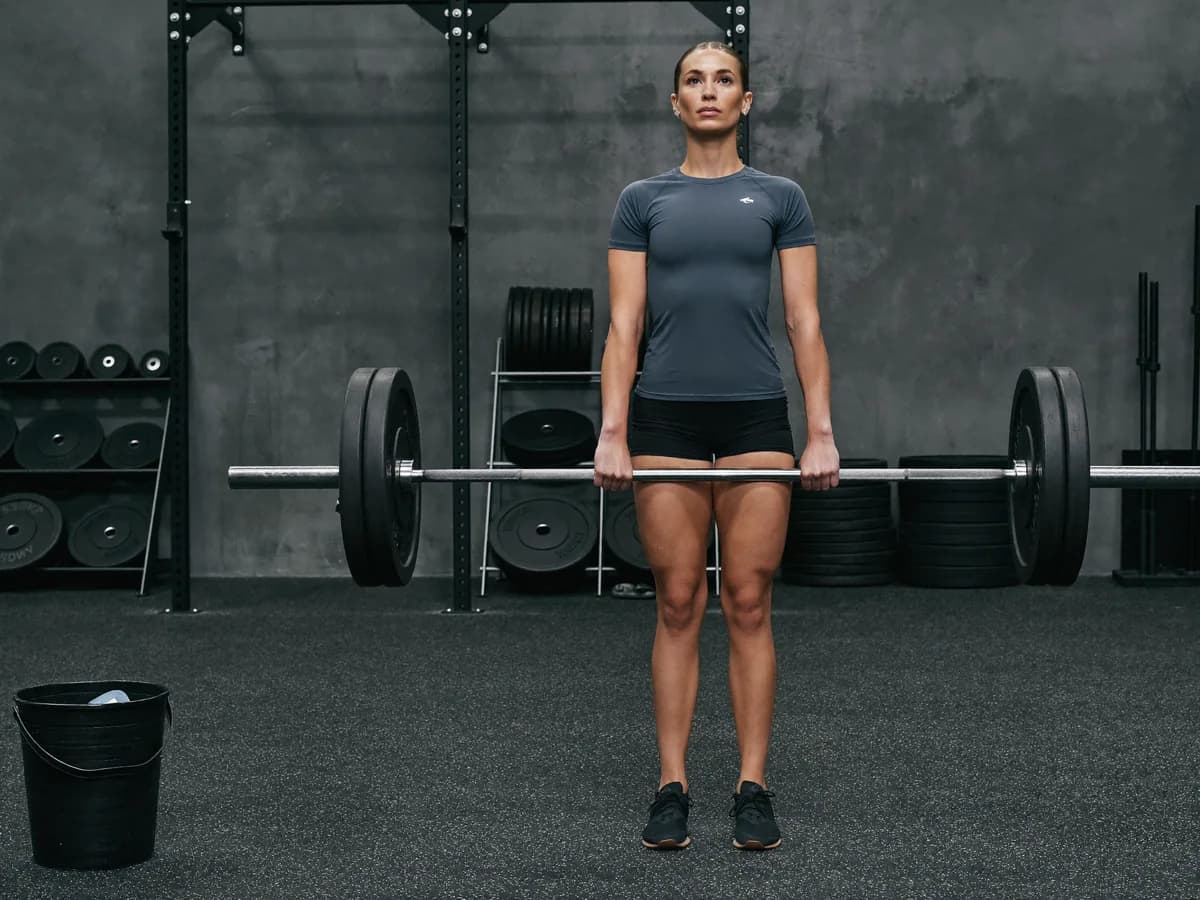
What Spotter checks
What this helps you do
- Track deadlift reps without relying on memory during heavy sets.
- Review whether lockout and range stay consistent rep to rep.
- Spot tempo changes that appear when grip, back, or hamstrings start to fatigue.
How it works in a real set
Use a side angle
Place the camera where hips, shoulders, knees, and bar path remain visible through the full pull.
Select the pull
Choose deadlift, Romanian deadlift, or the nearest supported movement pattern.
Pull the set
Spotter watches the full cycle from setup through lockout and return.
Adjust the next set
Use the feedback to improve consistency before increasing weight or volume.
Common problems to watch for
Soft lockout
Heavy pulls can finish short of a clean top position even when the rep feels complete.
Rushing resets
Touch-and-go reps can hide inconsistent positions at the floor.
Poor framing
If the bar and hips leave the frame, deadlift analysis becomes much less useful.
Spotter provides training feedback for supported movements; it is not a medical assessment or a substitute for qualified coaching when pain or injury is involved.
Deadlift checker questions
Can Spotter analyze deadlift form?
Spotter can review visible deadlift movement cues such as range, lockout, tempo, and consistency for supported pulling patterns.
What camera angle works best for deadlifts?
A side angle with the full body and bar in frame is usually the clearest setup.
Does it work for Romanian deadlifts?
Yes, Romanian deadlift-style hinge patterns are part of the supported free-weight movement family.
Set your phone down. Start lifting.
Try your first workout free — no credit card.